
The Sweet Spot of Travel
When we describe our journeys, we often start with the substance. As one traveler said, “This tour is like sitting down to dinner with the most interesting people in the world.” And it’s true — each trip includes intimate conversations with democratic leaders, journalists, artists, and changemakers shaping their countries’ futures.
But that’s only part of the story.
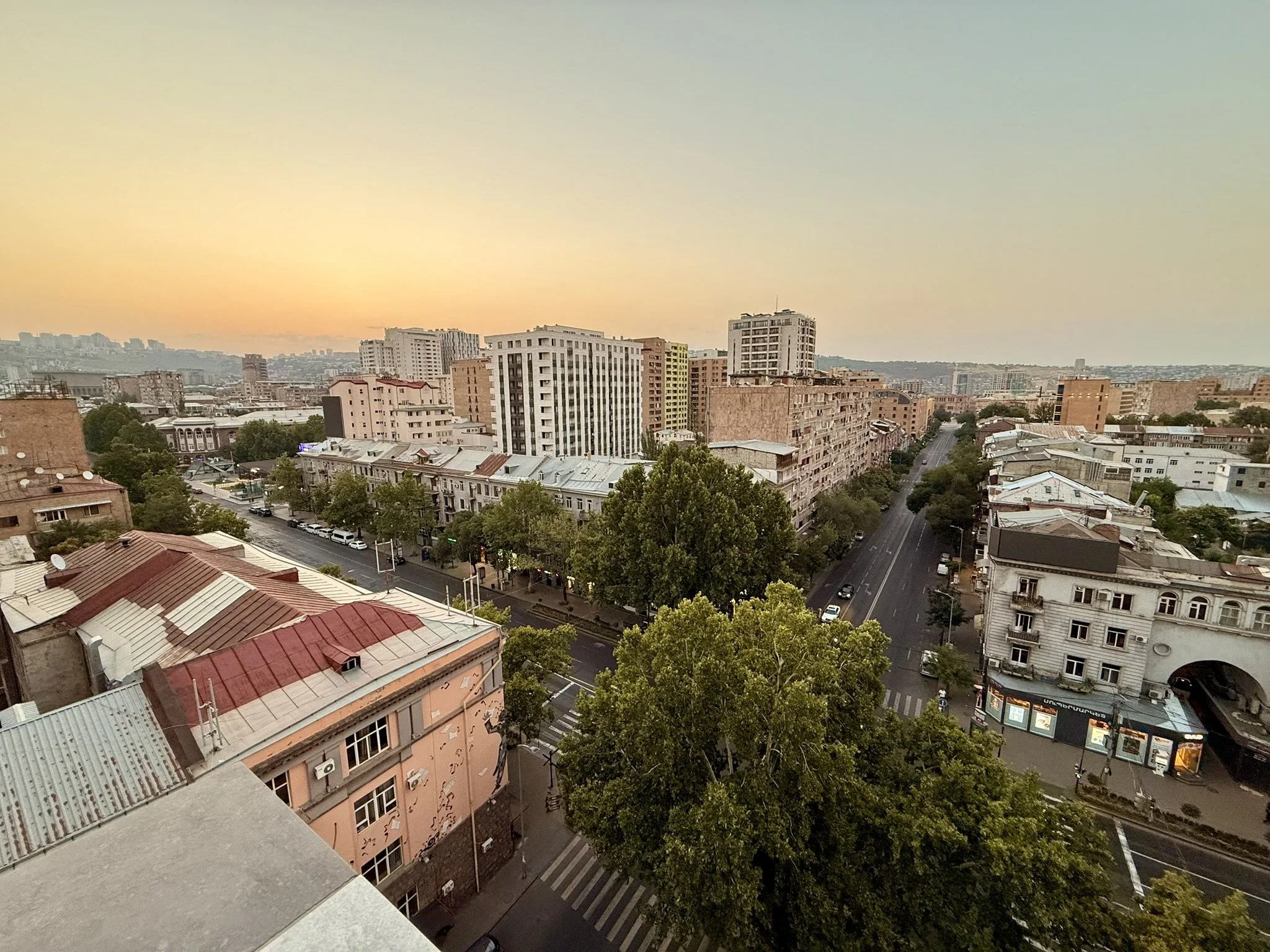
Alongside extraordinary access, there is incredible food, rising wine regions, breathtaking landscapes, and the kind of shared moments that turn strangers into community. Across our journeys to Armenia, the Western Balkans, and Albania, one thing is clear: these are destinations rich in meaning and filled with joy. The opportunity to explore these places just before the rest of the world catches on feels even more special.
FOOD
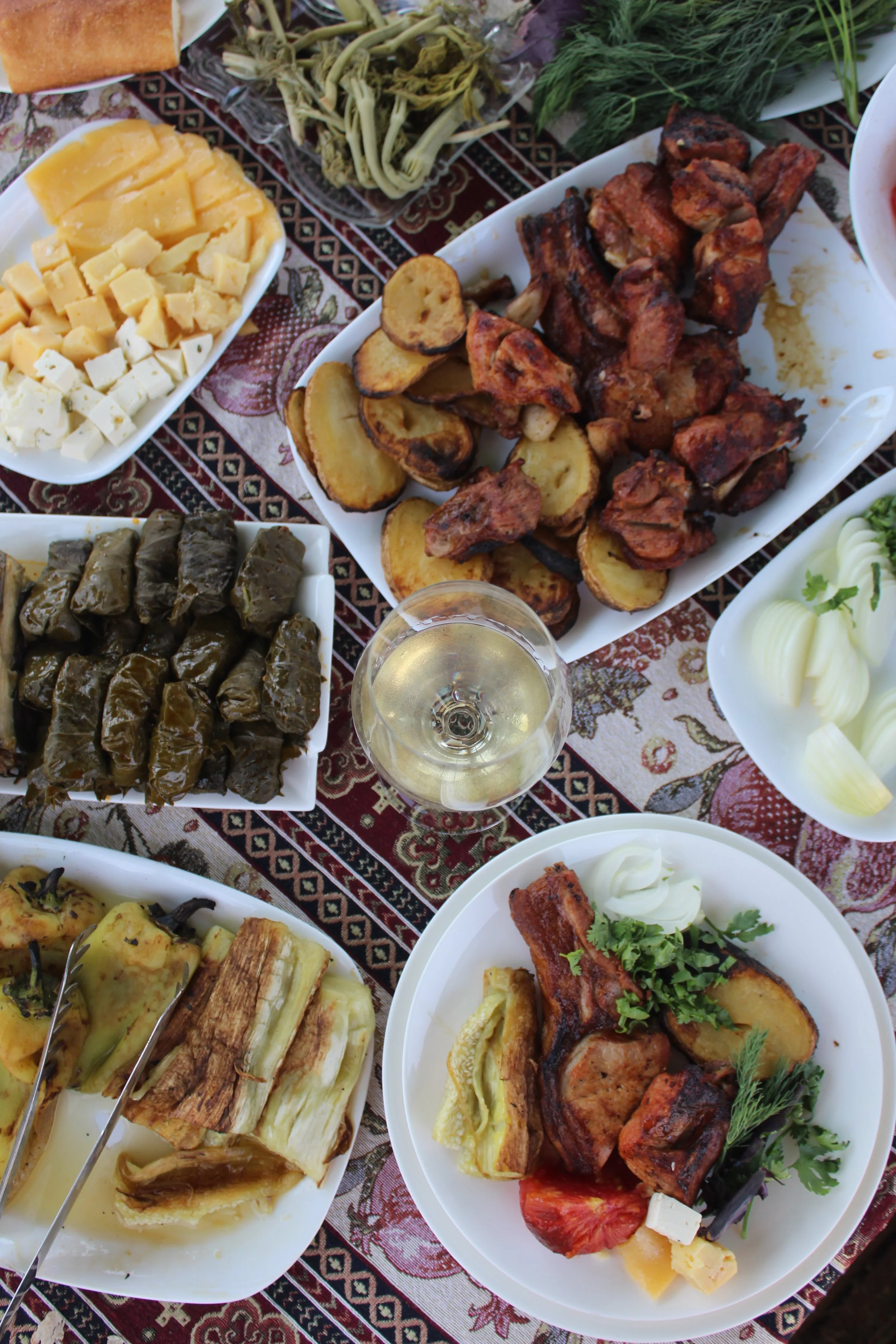
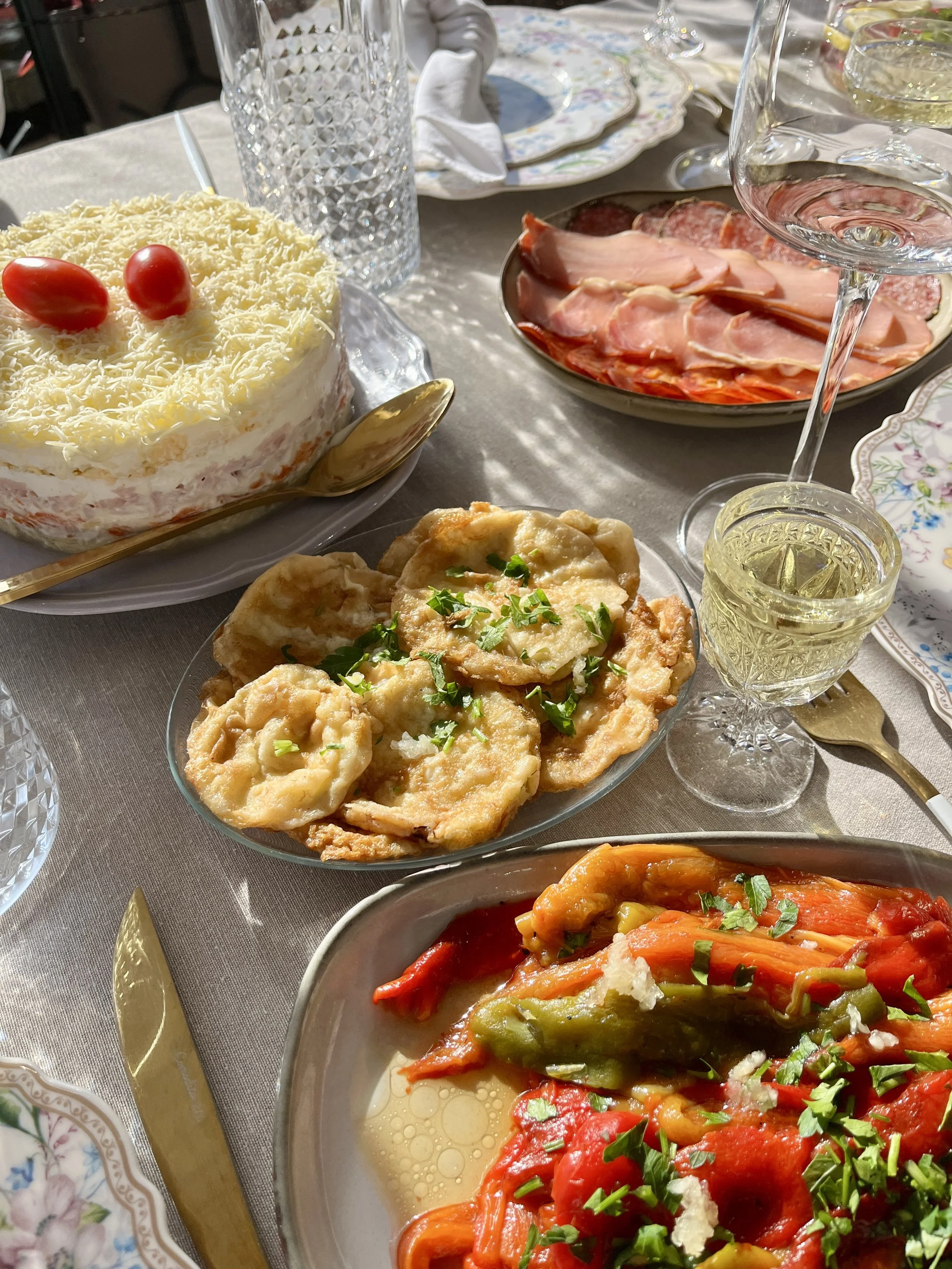
The food on our journeys is not simply delicious; it is deeply rooted, seasonal, and alive with history. Ingredients are fresh, often harvested that morning, and prepared in ways that have been refined over generations. You are not just tasting a meal; you are tasting centuries of tradition, geography, and resilience. Across Armenia, Kosovo, North Macedonia, and Albania, food is a celebration of what the land produces. Meals unfold slowly. There is always one more plate, one more toast, one more story.
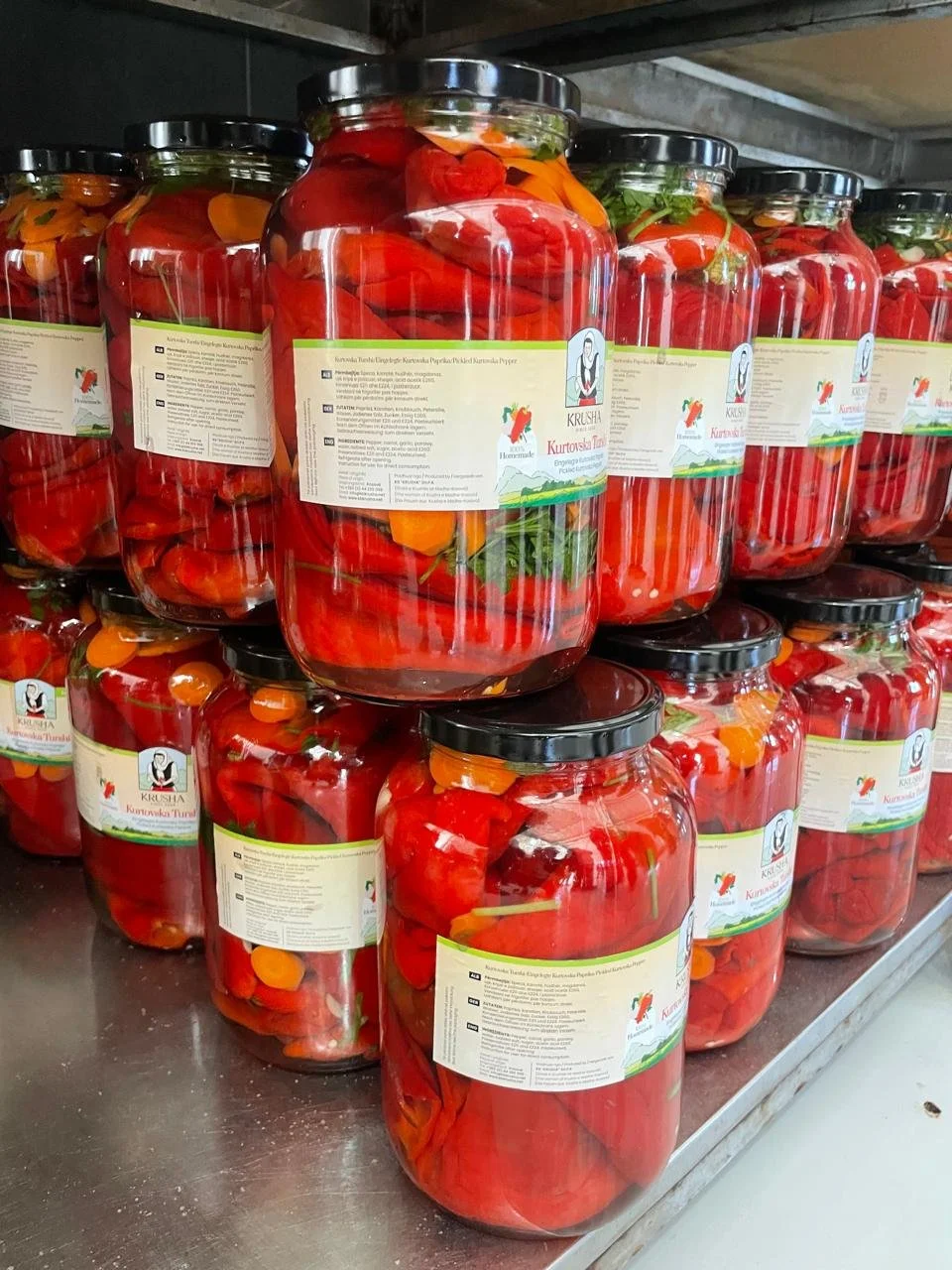
In Kosovo, we meet Fahrije Hoti, who transformed unimaginable tragedy into collective strength. After losing her husband in the Kosovo War, she founded a women-run ajvar cooperative in Krusha to provide income and dignity to war widows in a town where Serbian forces had killed the men and boys. Today, her factory produces some of the finest ajvar in the country. When we sit together and taste her smoky, pepper-rich spread, we are not just enjoying something delicious, we are witnessing resilience you can literally taste. Food here carries memory. It carries survival. It carries pride.
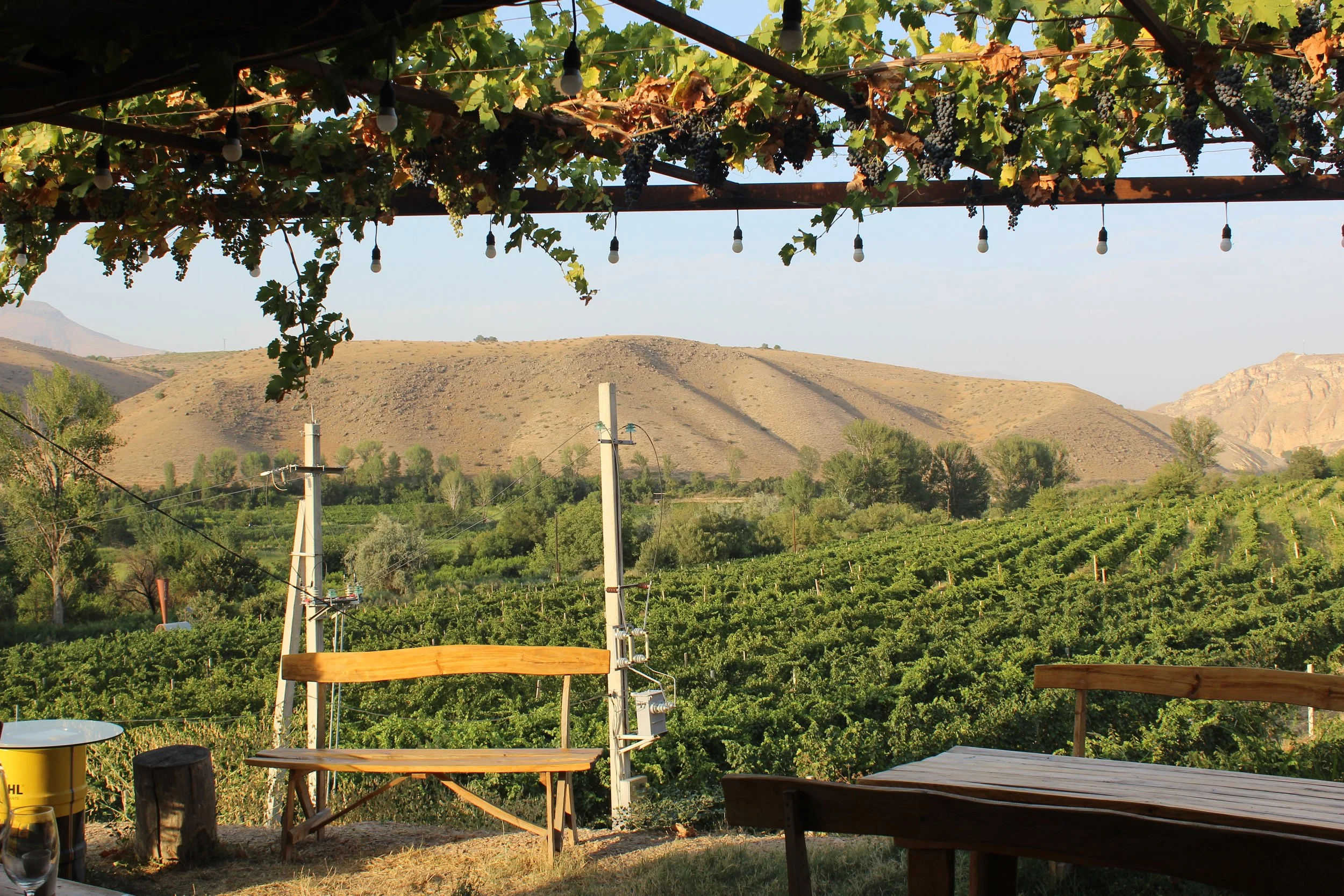
In Armenia, we gather for long, alfresco feasts set among vineyards, tables heavy with khorovats (traditional barbecue), lavash pulled from a tonir oven, and salads made from tomatoes and herbs picked just hours earlier. Glasses are raised again and again. The sun sets slowly over Mount Ararat. No one is in a rush.
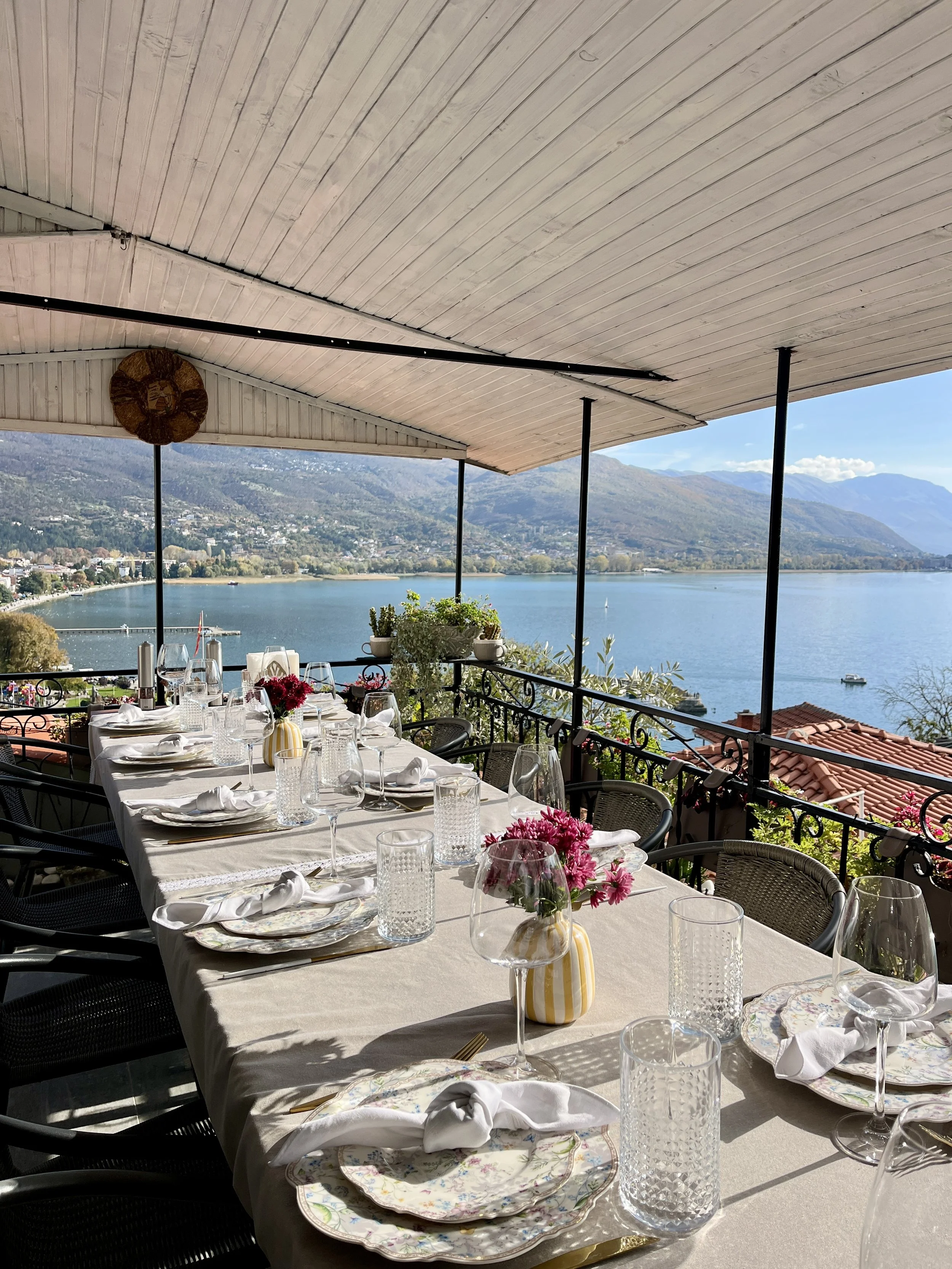
Throughout the Balkans, many meals are outdoors whether under grape arbors, beside stone farmhouses, or on terraces overlooking old towns. These settings create the perfect backdrop to linger, sip, and savor. You are not dining as a tourist; you are eating as if you’ve been welcomed into someone’s home. There is laughter. There is storytelling. There is generosity without measure.
WINE
If food is the invitation, wine is the storyteller.
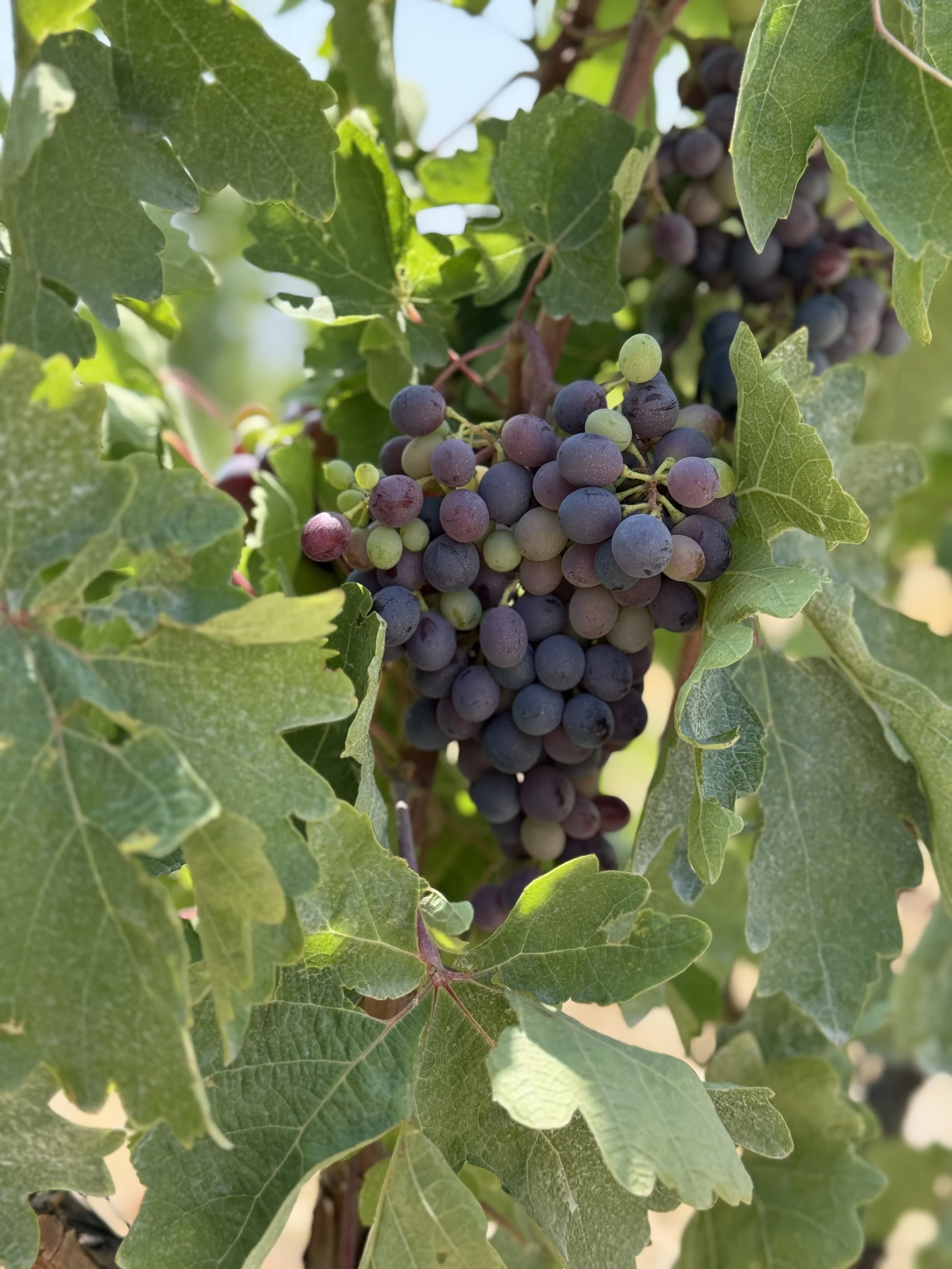
The wines of Armenia, Kosovo, North Macedonia, and Albania are extraordinary and still largely undiscovered by the wider world. For decades under Soviet rule, agricultural production was dictated not by terroir or craftsmanship, but by centralized planning. Regions were told what to grow not based on history but need. In Armenia, for example, vineyards were redirected toward brandy production rather than wine. Quality and local expression took a back seat to systemized output. And yet, the roots never disappeared. Today, across these countries, winemakers are reclaiming their traditions, reviving indigenous varietals, and reintroducing themselves to the global stage.
In Armenia, wine is not a trend it is a birthright. The country boasts the world’s oldest known winery, dating back over 6,000 years, discovered at the Areni-1 cave complex in Vayots Dzor. We visit this archaeological site, and then travel just minutes away to modern vineyards producing wines from the same soil.
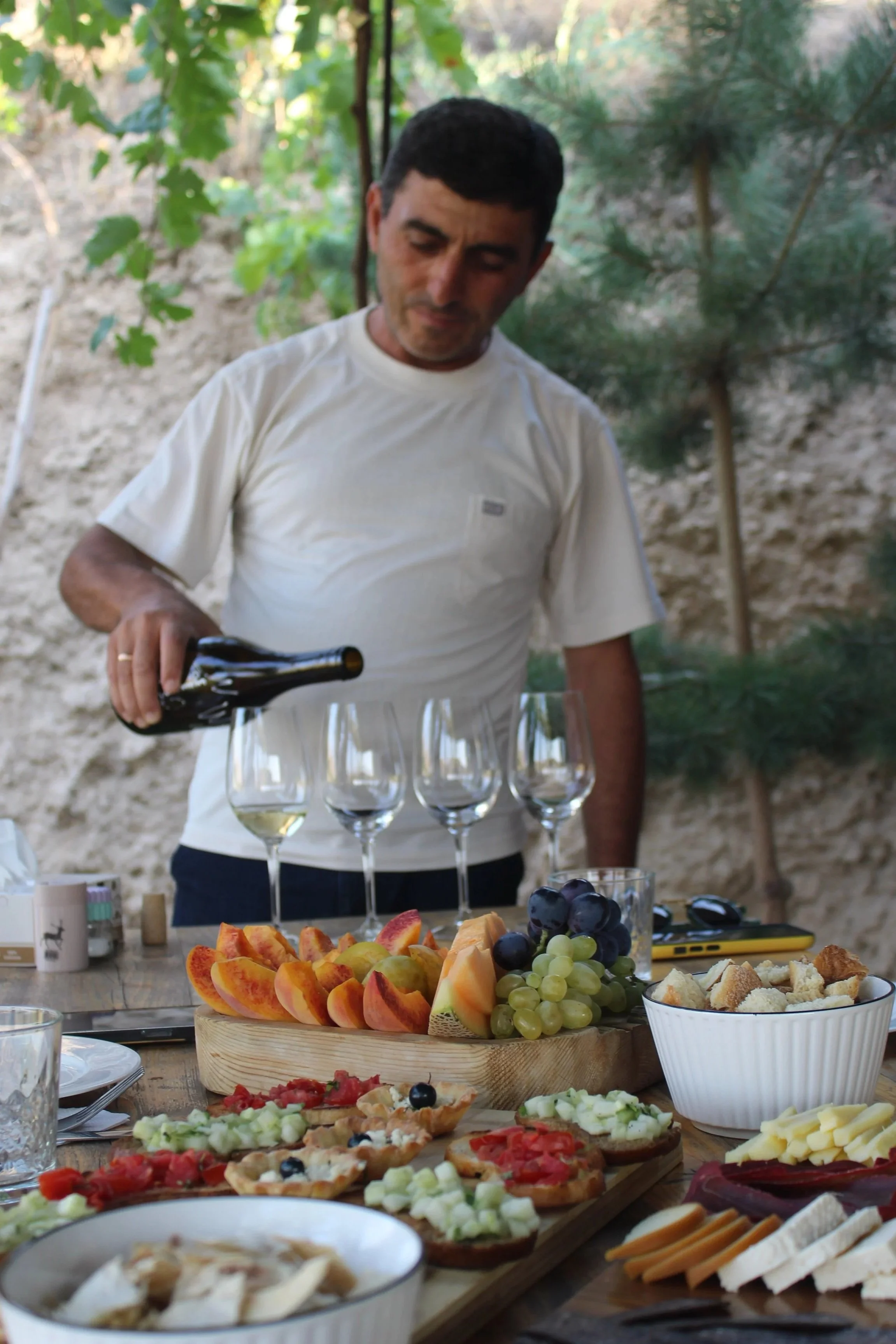
At the family-run Momik Winery in Vayots Dzor, tucked beneath dramatic red cliffs, we experience Armenia’s wine revival firsthand. The table is set with local cheeses, cured meats, and fruit still warm from the sun. Glasses are poured generously, and conversations stretch long. On top of all that, what makes Momik particularly meaningful is not just the setting, but also its trajectory. It was with the support of a USAID grant; the family was able to scale production and bring their wines to broader markets. It is a powerful example of how development support helps small producers compete globally without sacrificing identity.
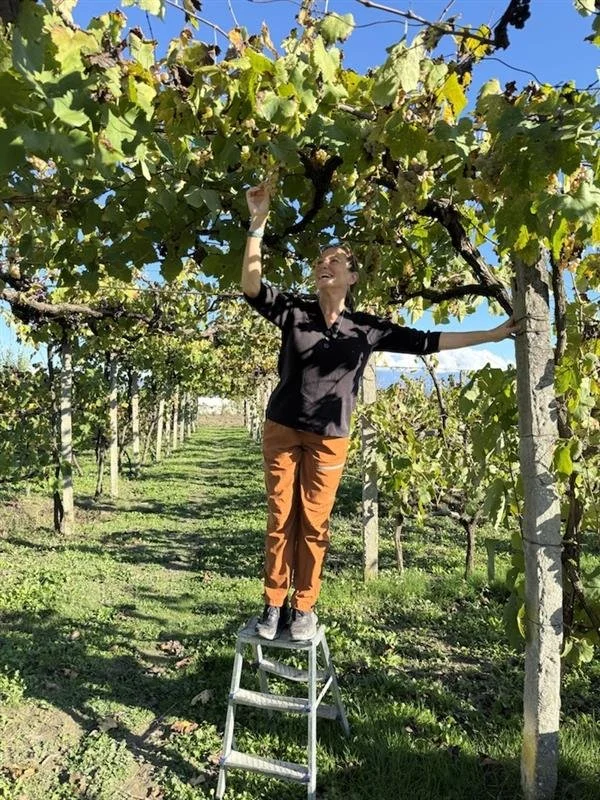
In Albania, the wine experience is equally about place. In the hills above Berat, in the village of Roshnik, we visit Alpeta Agrotourism & Winery, where the Fiska family has cultivated vineyards for more than three decades. Alpeta embodies the spirit of agrotourism: everything is interconnected. The restaurant sources from local farmers. The byrek is handmade. The raki is distilled on site. After touring the vineyards and cellar, we sit with a glass in hand overlooking rolling countryside that, not long ago, felt completely off the global wine map. And perhaps that is why the wine tastes so good; it carries the quiet thrill of being somewhere just before the rest of the world catches on.
TRAVEL BEFORE EVERYONE ELSE
There is something electric about arriving somewhere just before the rest of the world does.
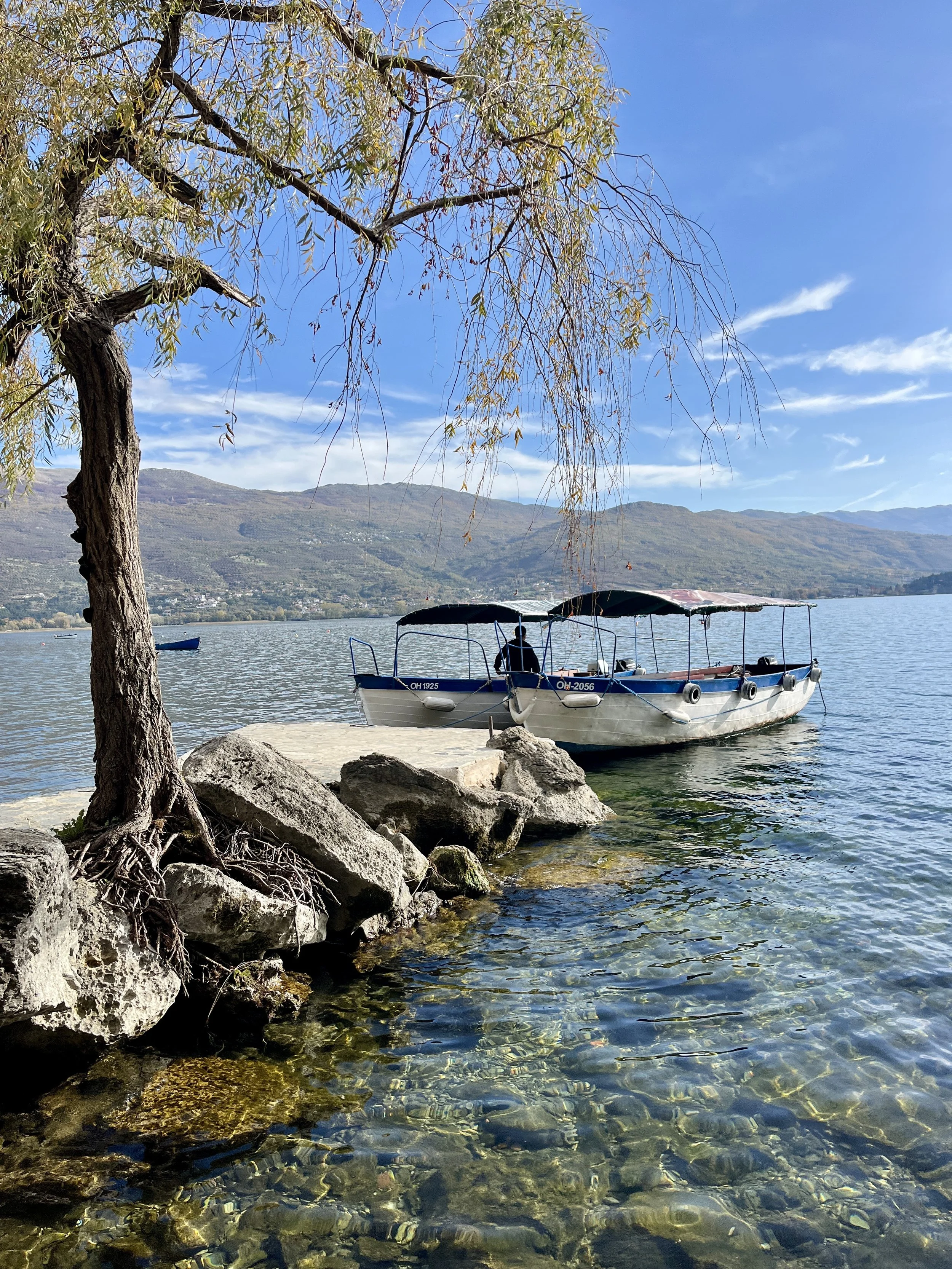
We design our journeys in countries that are on the cusp — places stepping confidently onto the global stage but not yet overtaken by it. The magic of traveling at this moment is palpable. Conversations with locals are unhurried and genuine. Historic sites can be experienced in stillness. Restaurants are filled with families rather than tour groups. The authenticity is not curated, it just simply is. With our European programs especially, there is a quiet awareness that we are witnessing something just before it shifts.
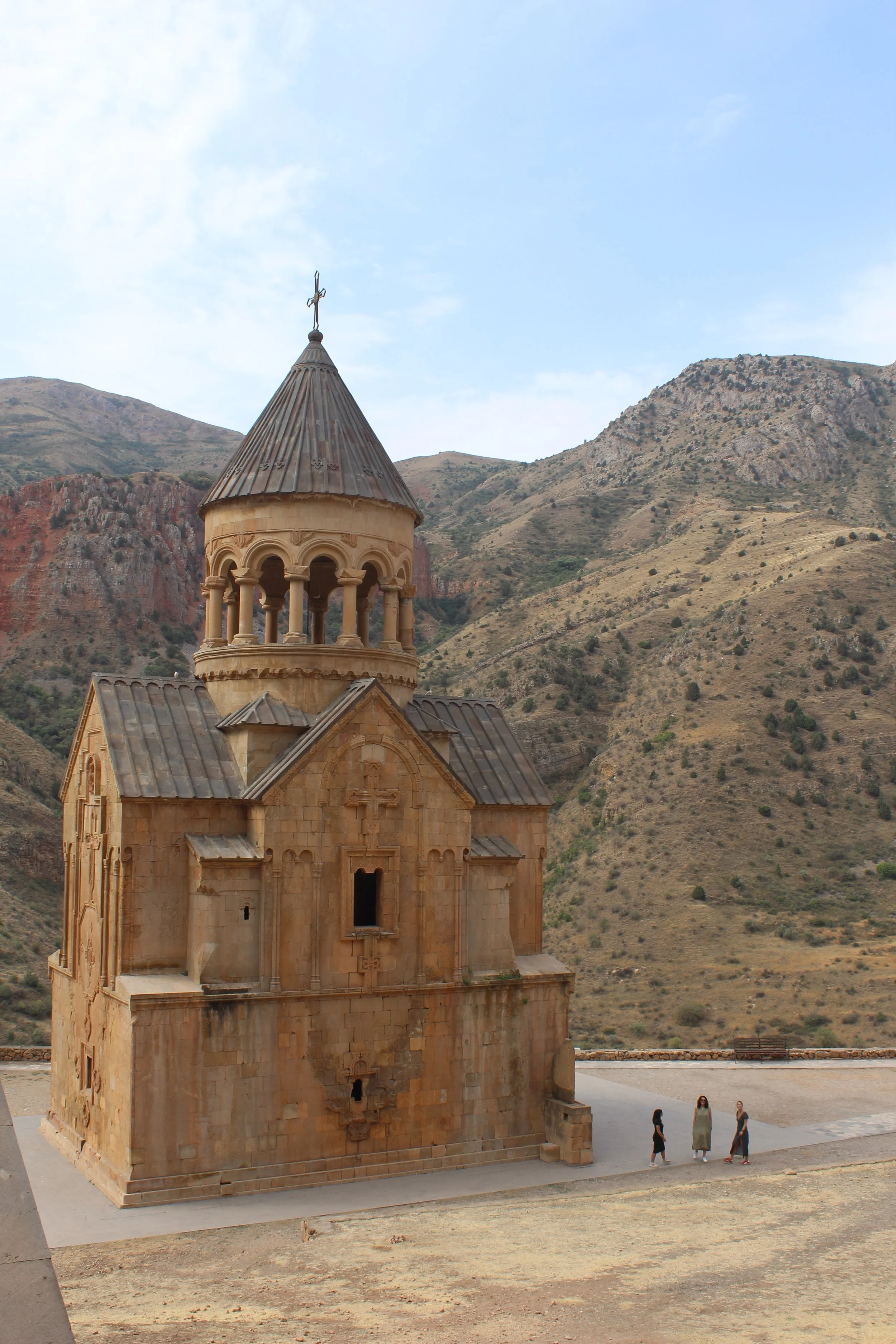
The New York Times recently published its list of 52 Places to Travel in 2026, ranking Armenia at number 20. It absolutely deserves the recognition, and yet part of us wants to whisper, “not so loud.” Armenia’s ancient monasteries, dramatic landscapes, and wine revival are drawing global attention. The acclaim is coming. And rightly so.
Similarly, Condé Nast Traveler has called Albania “Europe’s best kept secret,” while also naming Pristina in Kosovo as one of the most underrated cities in Europe. These are no longer hidden corners, they are emerging destinations.
But here is the difference: right now, they are still intimate.
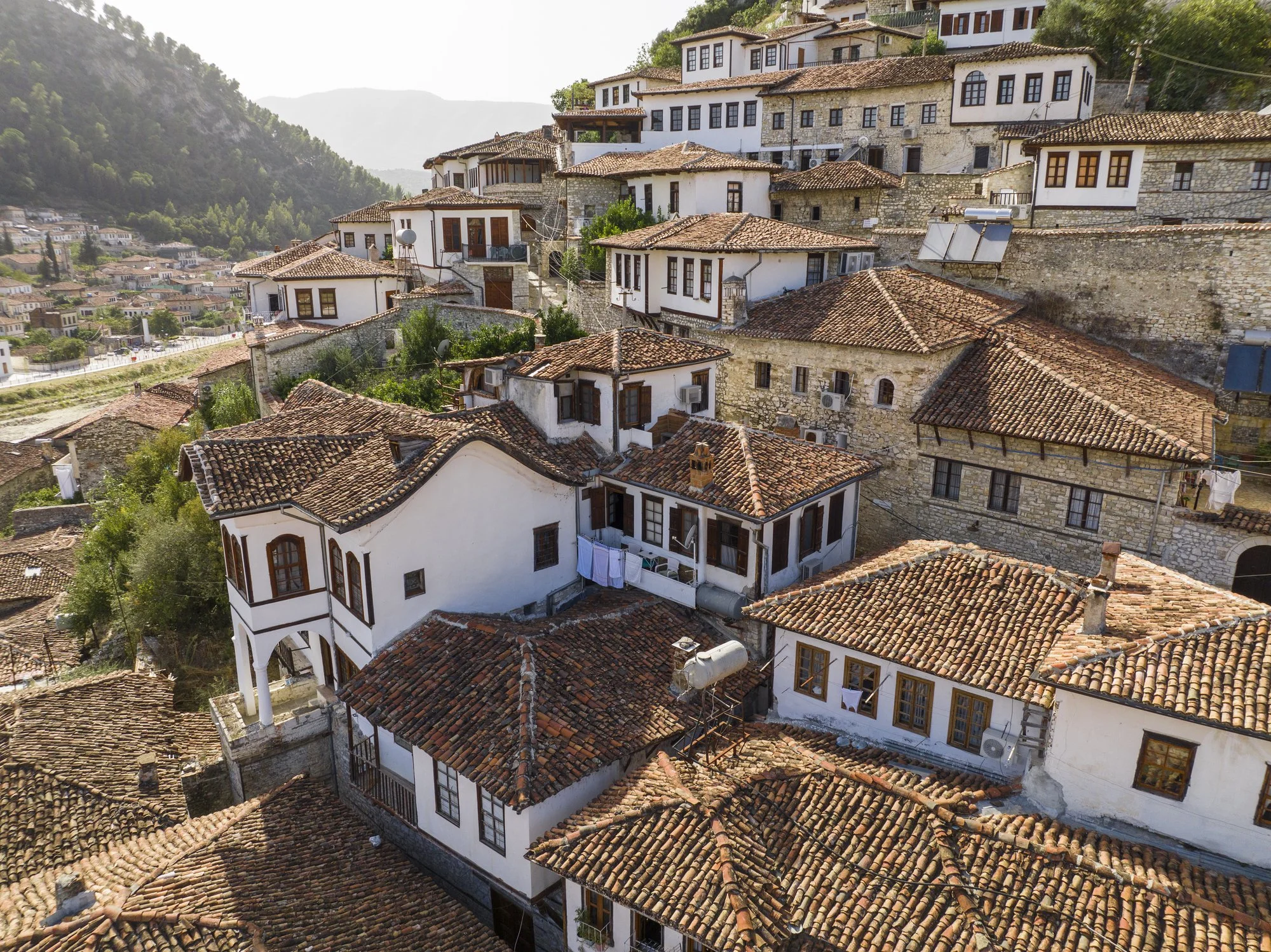
You can still wander through Berat’s white Ottoman houses without navigating crowds. You can still sit in a Pristina café and fall into conversation with artists and activists who are shaping the country’s future. You can still stand in an Armenian monastery and hear only the wind move across the cliffs.
Traveling before everyone else is not about exclusivity for its own sake. It is about depth. It is about presence. It is about experiencing a place while it is still speaking in its own voice, not yet amplified or altered to meet global demand.
The time is now. Not because these places will lose their beauty, but because they are entering a new chapter. And there is something profoundly special about witnessing a country on the rise.
This is the joy at the heart of our journeys — gathering around unforgettable food, raising a glass to revival and resilience, and exploring remarkable places just before the rest of the world arrives — a reminder that even in countries shaped by conflict and transition, life is vibrant, celebratory, and deeply alive.
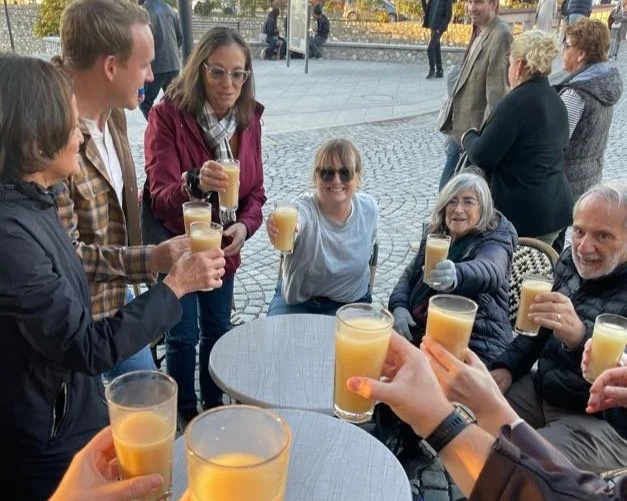
Genats! Na zdravje! Gëzuar! or Cheers! We love all forms of joy and community regardless of language!
Cheers,
Penelope Norton, Democracy Journey Lead