A Four-Day Journey in Mexico City Shows Us How Food and Art Shape Resistance
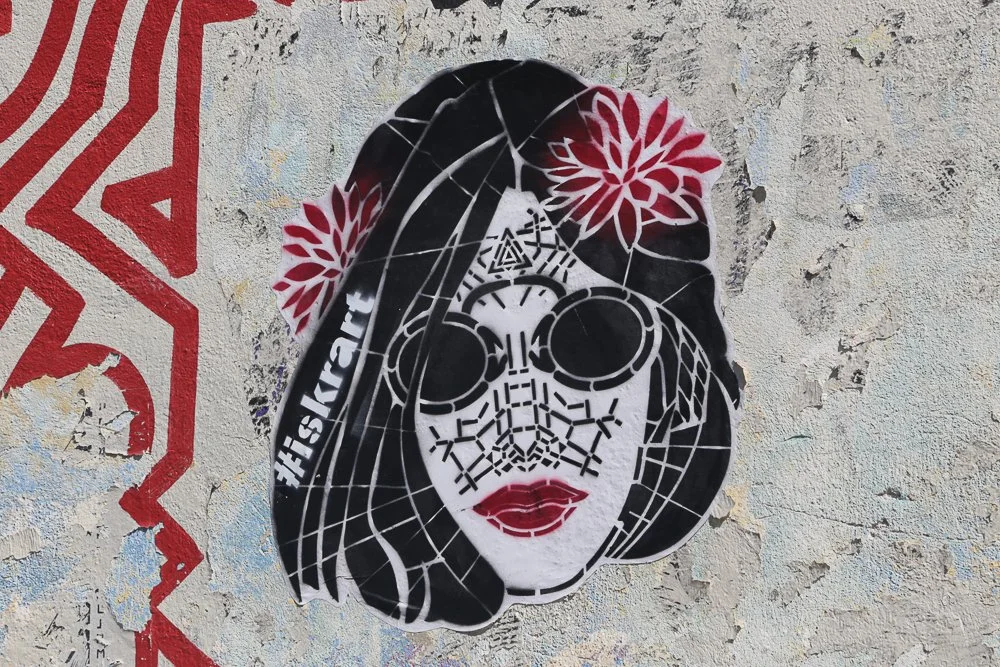
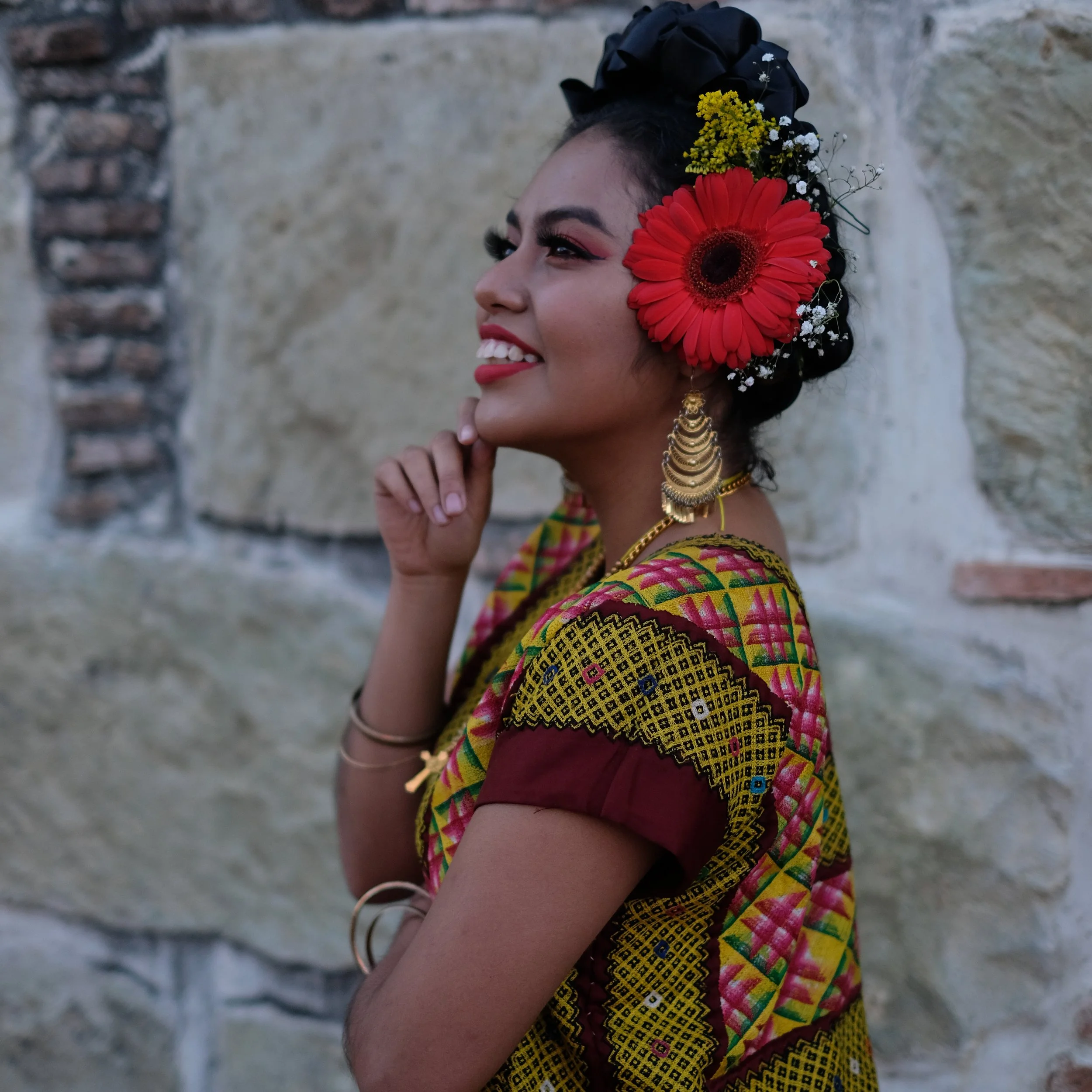
Mexico has long understood something powerful: that culture is never neutral. Across centuries of colonization, revolution, repression, and renewal, Mexicans have turned to food and art not only to preserve identity, but to challenge injustice, assert dignity, and imagine more just futures. In Mexico City, these traditions are not confined to museums or history books; they live in kitchens, markets, murals, and streets.
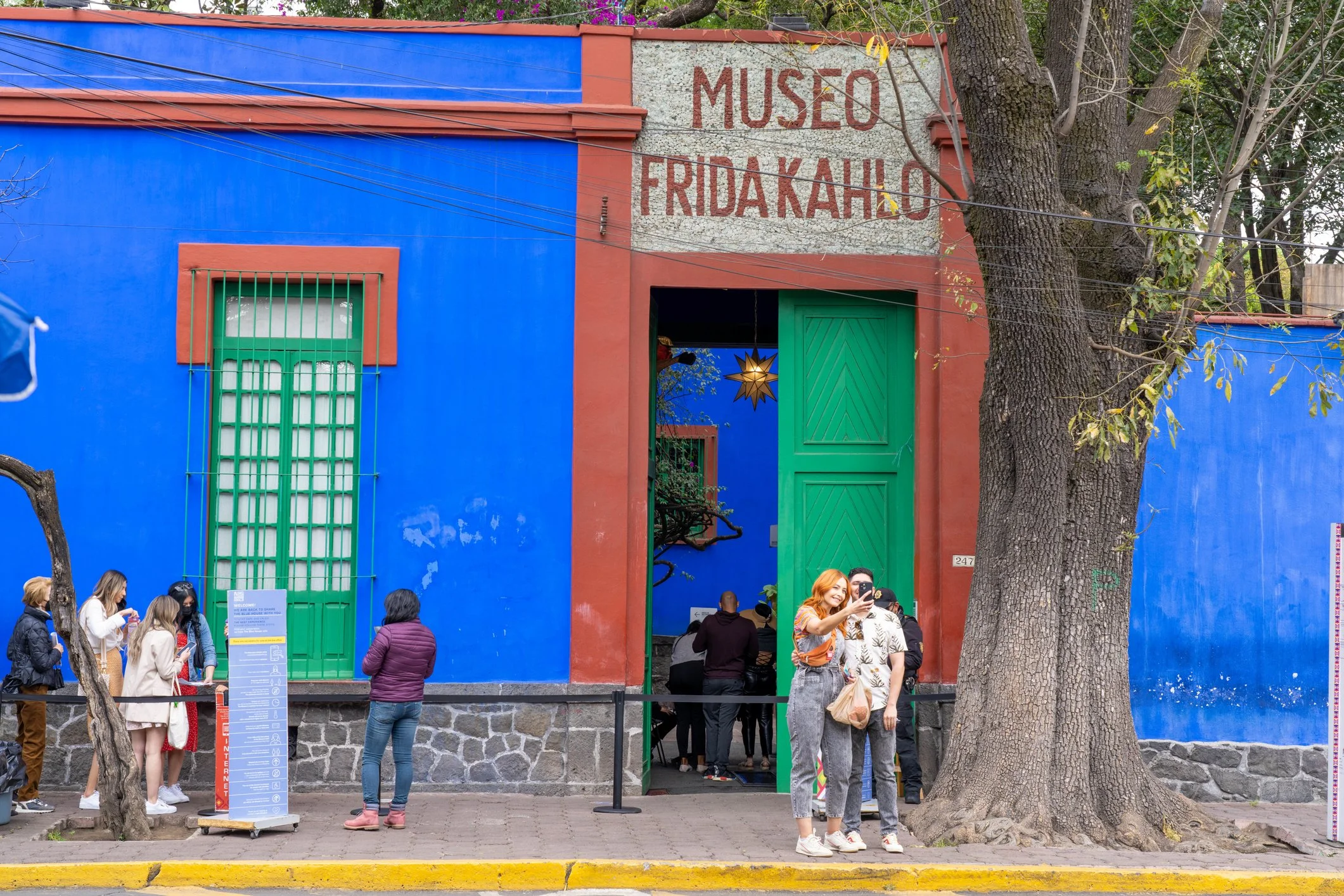
Our newest, four-day journey invites travelers to experience Mexico City through these living traditions, where cuisine and creativity function as acts of memory, protest, and care. Through shared meals, conversations with artists and farmers, and time spent in spaces shaped by collective action, travelers encounter activism not as spectacle, but as something practiced daily.
Rather than moving through Mexico City as spectators, this journey centers on carefully chosen encounters that illuminate a much larger story: how food and art in Mexico have long functioned as tools of resistance, continuity, and civic life. Each experience offers a window into how everyday practices quietly sustain justice, memory, and democracy. I would like to highlight a few them here:
Food as Resistance: The Chinampas of Xochimilco
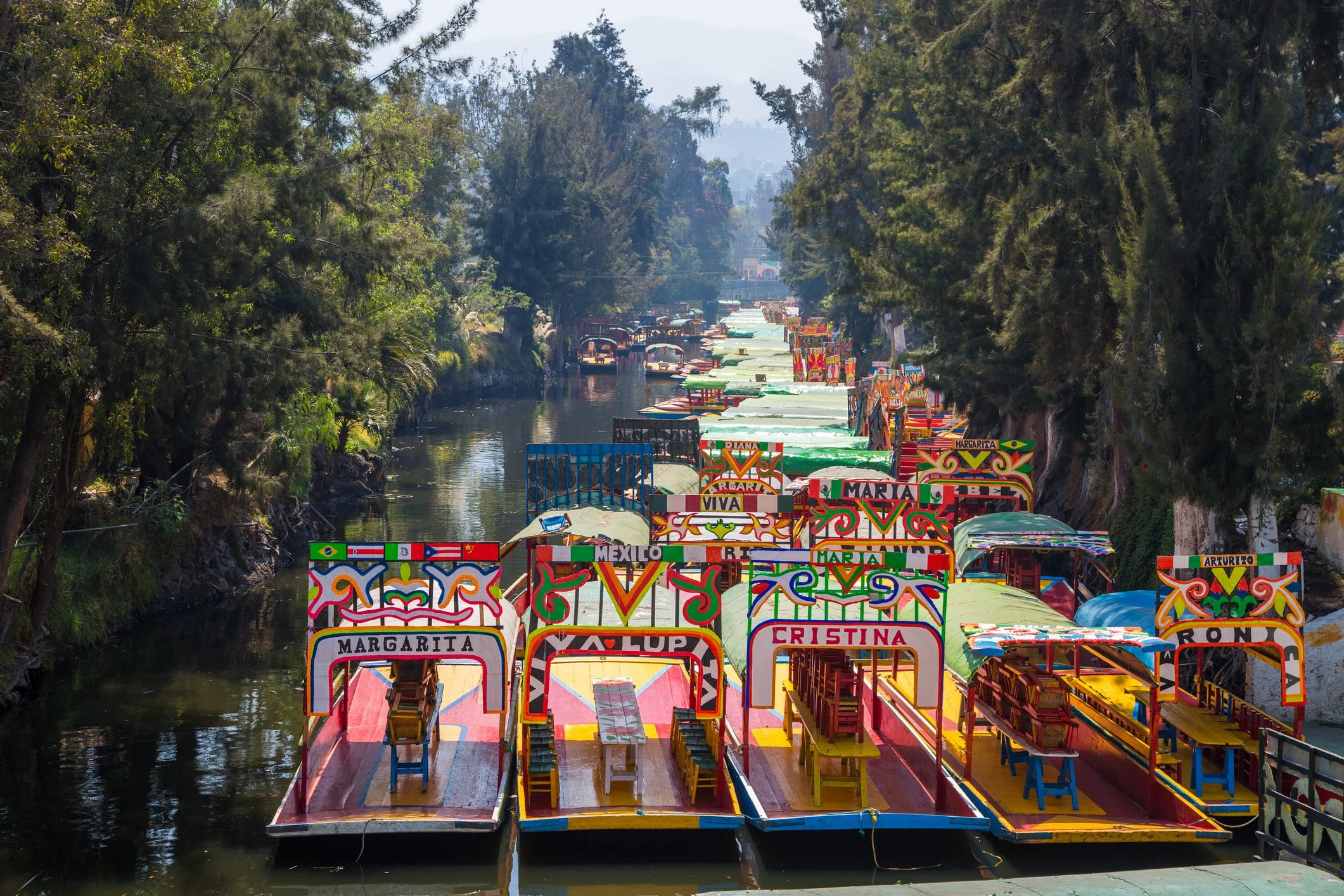
In Xochimilco, a UNESCO World Heritage Site, resistance takes the form of preserving indigenous cultivation practices. Traveling by boat through the ancient canal system, we visit working chinampa farms, an indigenous agricultural method developed over a thousand years ago that continues to feed Mexico City today.
Chinampas are more than a farming technique; they are a living example of sustainable urban planning, communal land stewardship, and ecological resilience. In a world grappling with climate change and food insecurity, these floating gardens offer lessons rooted in indigenous knowledge rather than industrial extraction.
Sharing a rustic, multi-course lunch prepared from ingredients harvested steps away from where we sit, history becomes tangible. This is activism practiced through care: protecting land, preserving biodiversity, and maintaining food sovereignty across generations.
Food as Cultural Survival: Nixcome Cultural Revival
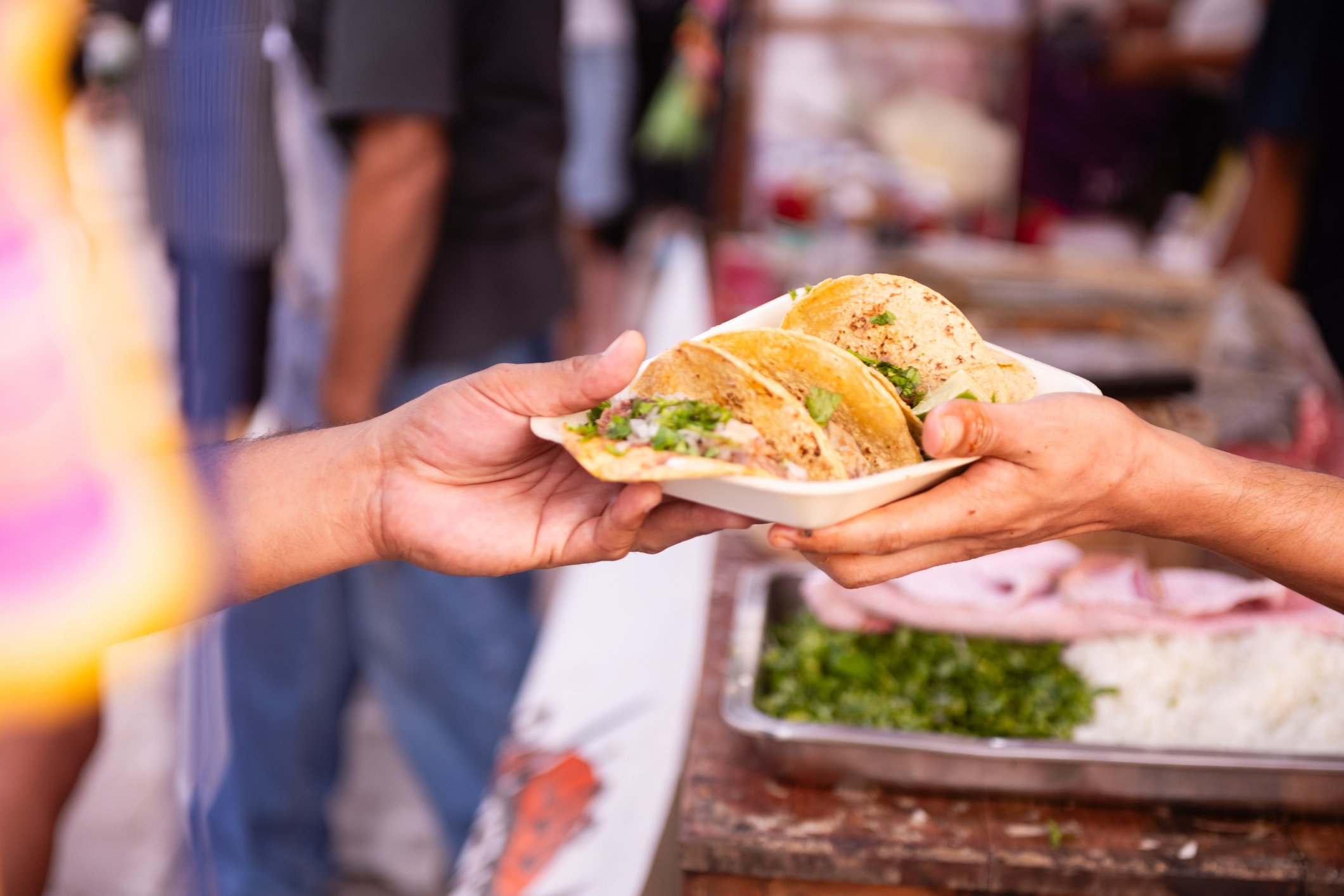
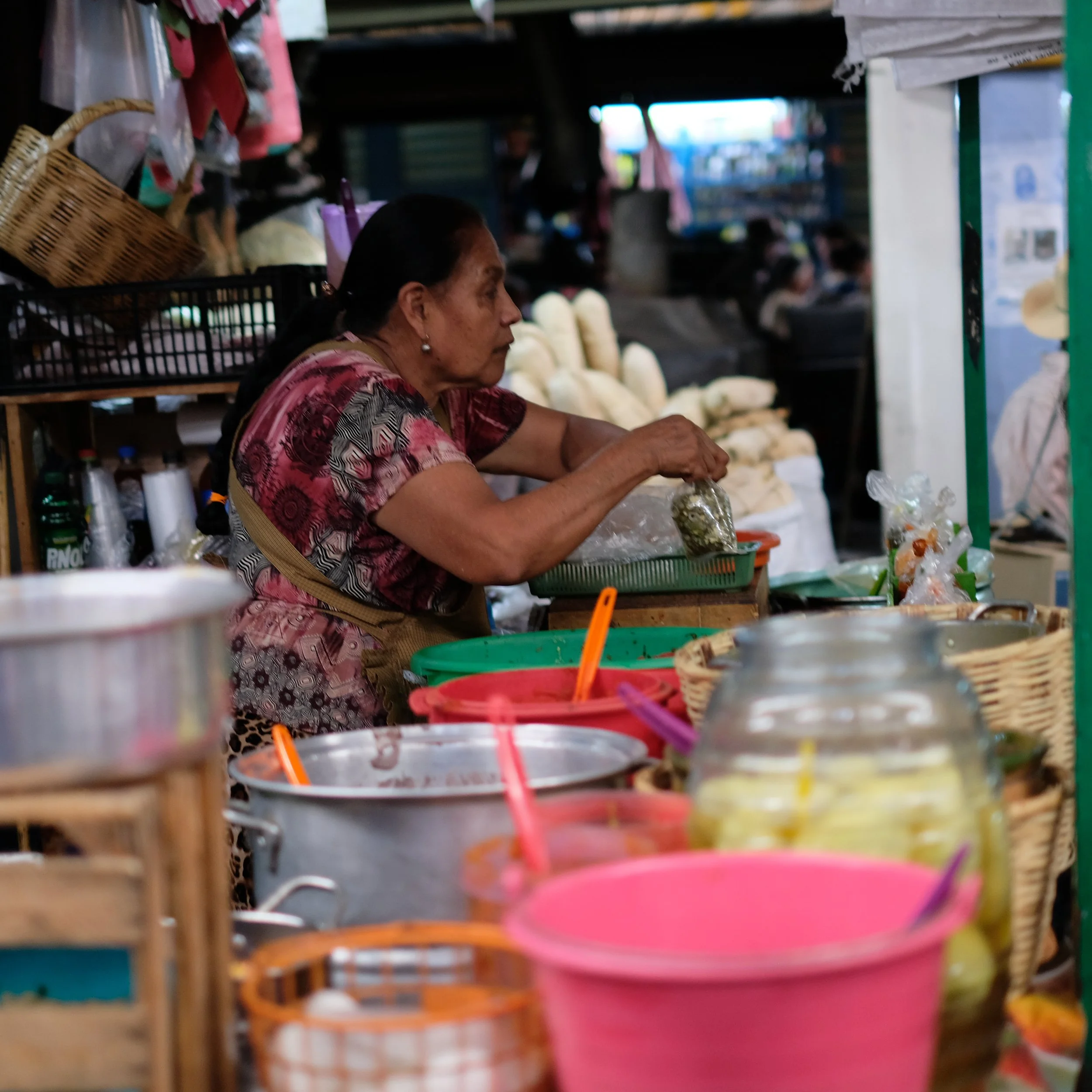
At Nixcome Cultural Revival, food becomes a vessel for memory and healing. Founder Montserrat Vázquez leads what has been multi-generational, woman lead work in preserving native, non-hybrid corn varieties.
Through a hands-on tortilla-making lesson, travelers engage with corn not as a commodity, but as a sacred cultural foundation. In a country where industrialized food systems have threatened native corn varieties, this simple act carries deep political weight. Preserving how food is grown, prepared, and shared becomes an assertion of identity and autonomy.
Here, culinary tradition is inseparable from social justice—affirming that cultural survival itself is a form of resistance.
Art as Civic Infrastructure: Patronato de Arte Contemporáneo (PAC)
Art’s role in democracy is often invisible until it is under threat. During an intimate gathering, our travelers meet with a leader from Patronato de Arte Contemporáneo (PAC) to explore how independent arts institutions sustain creative freedom in Mexico.
PAC’s work demonstrates how funding structures, patronage, and institutional independence shape what voices are heard and which stories are allowed to exist. In a time when artists around the world face censorship and shrinking civic space, this conversation reveals art as essential civic infrastructure: a platform for dialogue, dissent, and imagination. This encounter reframes art not as decoration, but as a necessary condition for a healthy public sphere.
Art as Collective Memory: Mexican Muralism
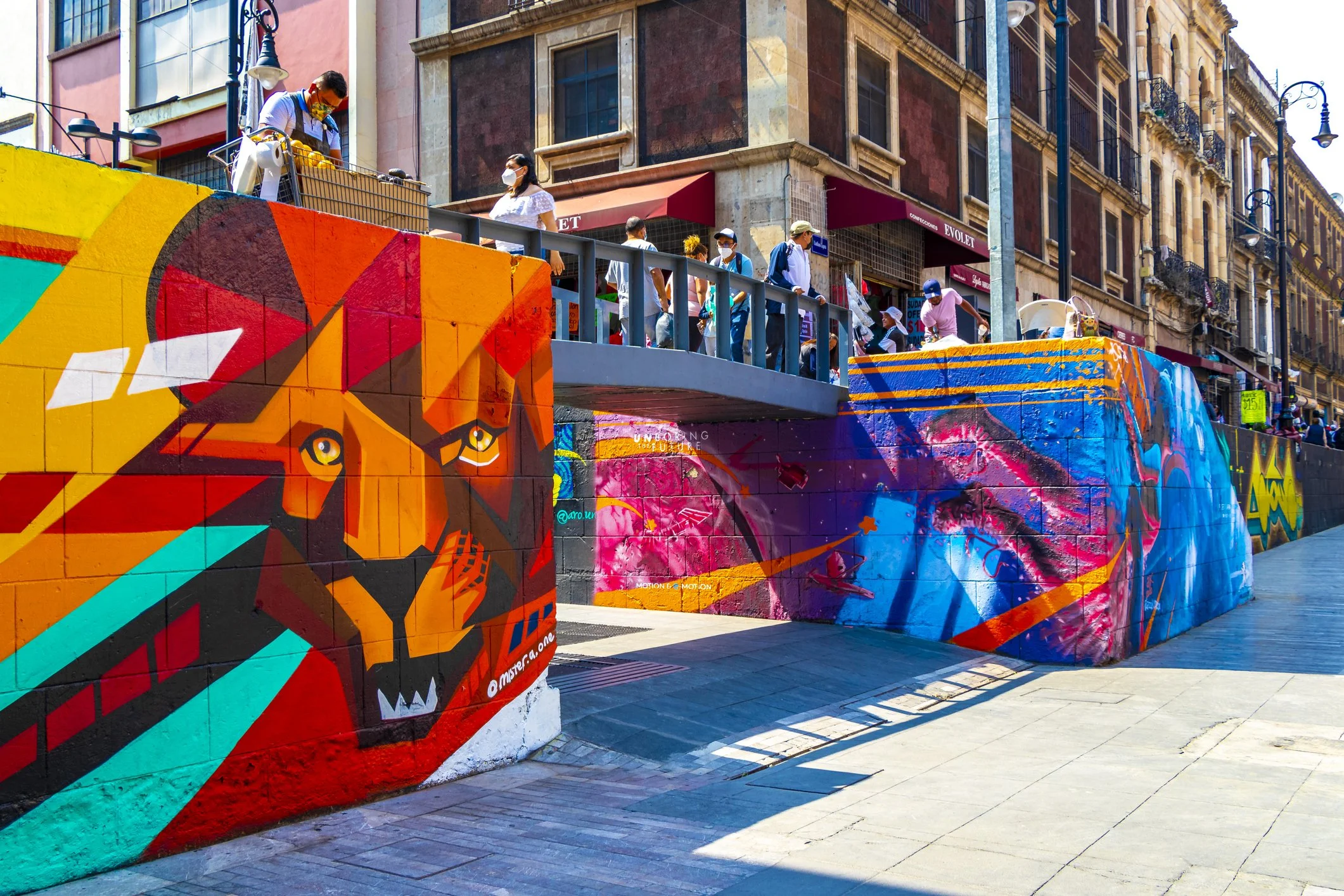
Mexico’s tradition of muralism shows what happens when art refuses to stay behind gallery walls. On a guided walking tour, we explore murals that transformed public space into political classroom, featuring works by artists like Diego Rivera, who used monumental imagery to center workers, indigenous communities, and revolutionary ideals.
Muralism was born from the belief that art should be accessible, educational, and accountable to the people. Decades later, these works continue to shape Mexico’s collective memory, reminding passersby whose stories matter and whose labor built the nation. In a city where walls still speak, muralism illustrates how art can anchor democratic values in everyday life.
Why These Experiences Matter
Together, these encounters reveal a deeper truth: activism is not always loud. Sometimes it lives in seeds saved, recipes passed down, walls painted, and institutions quietly defended.
In Mexico City, food and art do more than reflect culture, they actively shape civic life and provide platform for critique. They protect memory, challenge power, and imagine futures grounded in dignity and care.
At Democracy Journeys, we believe travel can create space for deeper understanding, thoughtful dialogue, and meaningful connection. This journey invites travelers to witness how tradition, creativity, and collective effort continue to sustain democratic life—one meal, one piece of art, and one conversation at a time.
- Penelope Norton, Democracy Journey Lead